

What Volleyball World and World Archery told a room full of broadcast engineers at TranSPORT Forum 2026, and what it means for every rights-holder trying to do the same with less.
At the TranSPORT Forum in London this July, SVG Europe put two very different sports federations on the same stage and asked them the same question: how are you actually producing and getting your sport to air.
What came back was not a pitch for any particular piece of technology. It was two organisations, sitting at opposite ends of the budget spectrum, independently describing the same set of problems, and, in their own ways, already solving them.
Same pressure, two very different scales
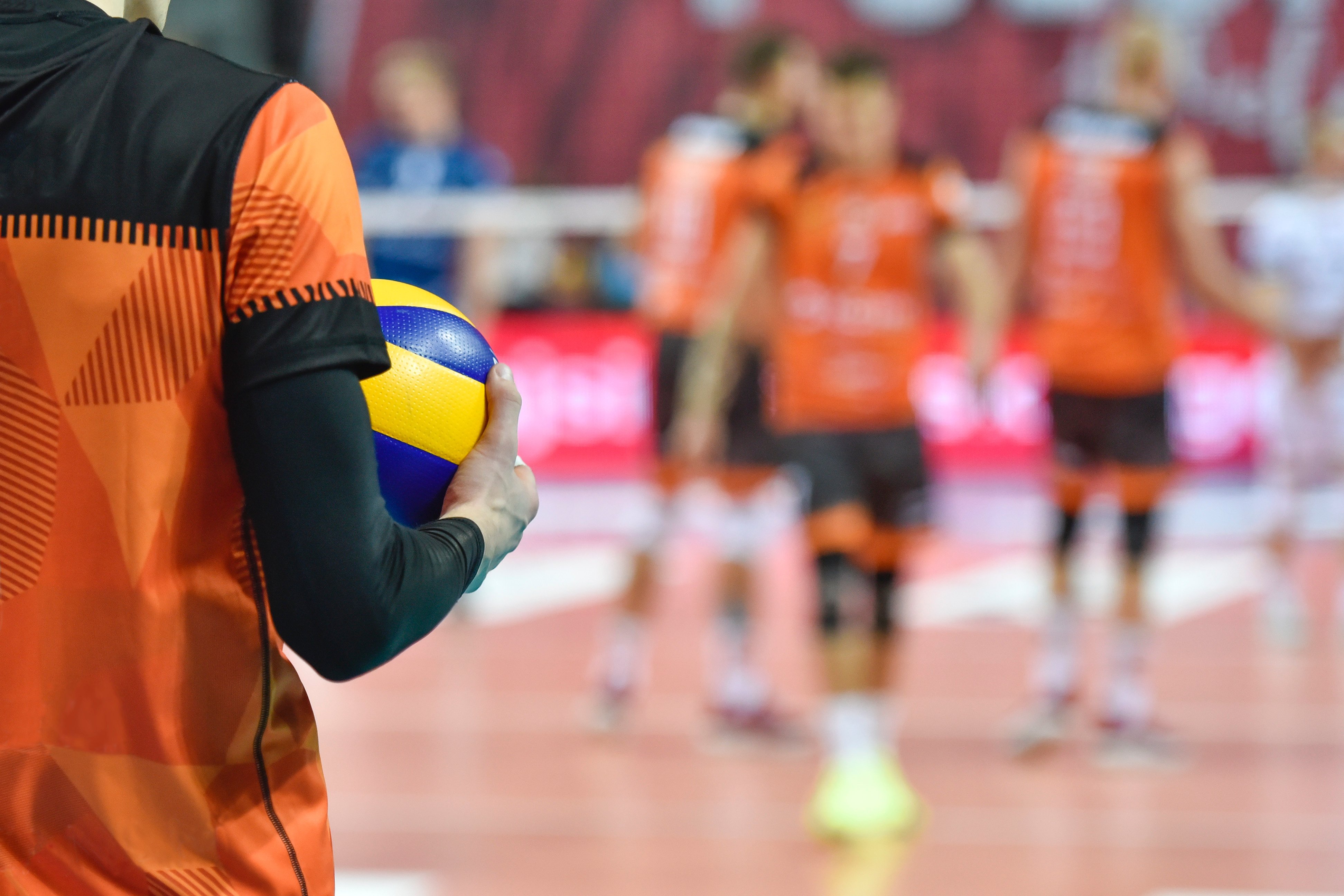
Volleyball World is the commercial arm of the international volleyball federation. Between the events it produces and the ones it distributes on behalf of others, it is responsible for around 6,000 matches a year. A typical top-tier match has to serve roughly 60 different takers, each often wanting a slightly different version of the same feed: a different region, a different language, a different rights window. Coordinating that by email got so unmanageable that, in the organisation's own words, it nearly broke someone. They ended up building their own booking and orchestration tool just to keep up.
World Archery operates at a completely different scale. Broadcast, digital output and institutional communications for the entire federation are handled by a team of around ten people. Its Head of Communications was candid on stage: for a niche sport, rights income has never come close to covering the cost of top-tier production. That is not a technology preference, it is a viability problem, and it is what pushed the federation toward a smaller, compressed, IP-first way of working that a ten-person team can actually run.

The pattern underneath the numbers
Different budgets, same three pressures, described in almost identical language:
More content, across more platforms and more territories, than either organisation was built to handle.
Venues that swing from purpose-built arenas to a temporary rig on a beach, with local connectivity providers that can change from one year to the next.
A workforce that is not growing anywhere near as fast as the workload.
And what both federations did about it followed the same three moves, even though nobody on stage compared notes beforehand. They kept one reliable core, a central hub they own and control, rather than trying to run everything on site. They deliberately avoided locking into a single vendor or platform, so pieces can be swapped in and out as rights, budgets and events change. And they automated whatever the workload would let them: Volleyball World's booking system now handles rights protection and taker data exchange without the email chains; World Archery is testing whether artificial intelligence, which is delightfully far better at spotting an arrow hitting a target than an archer releasing one, can drive fully automated coverage of the tier of events that would otherwise get no coverage at all.
It was never really a technology story
Across the whole day at Kings Place, keynote, transmission panel, cloud panel, private 5G panel, and the federations panel itself, nobody stood up to argue for a single architecture, a single vendor, or a single delivery method. The one thing every panel agreed on was that customers now want cost certainty far more than they want a headline saving. Predictability, not price alone, is what rights-holders are actually buying.
For federations specifically, the real question underneath all of it is not cloud versus satellite versus private 5G. It is capacity: how do you deliver broadcast-grade coverage across more events, more territories and more formats than you did last year, without a broadcaster's budget or a broadcaster's headcount to do it.
That is the gap we sit in
Levira does not sell a single platform. We design how video works, not just how it streams, bringing together the right production, infrastructure, distribution and automation into one system that a lean team can actually run, rather than adding another vendor for someone to manage.
This is not hypothetical for us
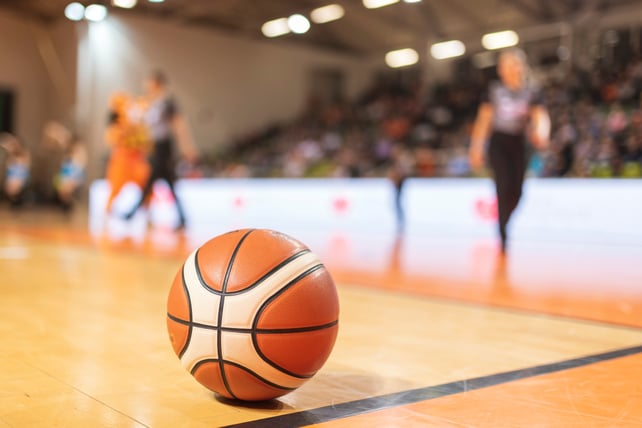
The Estonian Basketball Association came to Levira through a competitive tender and has renewed every cycle since. We run the full production for their games, delivered to media partners across both TV and web. For the Estonian league and the Estonian-Latvian Basketball League, we use AI-driven cameras for web coverage; for roughly 50 games a season we bring in a traditional physical camera crew for TV; and for the Estonian First League we use AI to automatically generate highlight clips that keep audiences engaged between fixtures.
We are very happy with our cooperation with Levira. Their reliable services, innovative technology, and personal touch have made a significant difference in our media coverage. We look forward to continuing this successful partnership and exploring new possibilities together.
Kiili Gerd, Secretary General, Estonian Basketball Association
The detail that matters most here is the one that speaks directly to World Archery's problem: the AI camera setup needs no special installation, which is why the Estonian Basketball Association is now expanding it across every arena in the First League, the exact tier of competition that, as World Archery put it, has historically sat outside what is financially viable to cover at all.
Where does your organisation sit?
Every federation and rights-holder is somewhere on the same journey Volleyball World and World Archery are on, some further along than others, some still coordinating by email and spreadsheet, some already automating the parts that scale. We have put together a short self-assessment for federations and rights-holders to see where their current setup is exposed, and where the biggest wins are available first. It takes about three minutes.
Take the Broadcast and Streaming Readiness Assessment, or get in touch directly to talk through your setup.